In 2009, Vivian Silver went hiking through fields near her home in Israel. Suddenly, the booming sounds of a warplane permeated through the air, and the next thing she knew, a bomb was falling.
And then, a second bomb fell; and then a third.
“I thought, oh my God, I guess, a war just started, and I’ve got to get out of here,” Silver said.
….
Silver has lived through constant attacks and experienced four wars between Israel and Hamas, the Palestinian group that runs Gaza and that the United States classifies as a terrorist organization. But despite her own trauma, Silver, now 72, has spent the last four decades working to end the Israeli/Palestinian conflict while advocating for co-existence and harmony between the two groups.
…
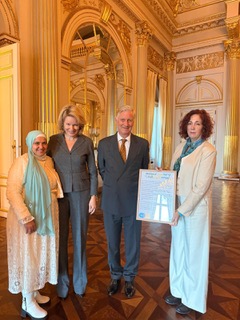
After the 2014 conflict finally ended, Silver and other Israeli women came together with the hope of creating lasting change. They started a grassroots movement and an organization called Women Wage Peace.
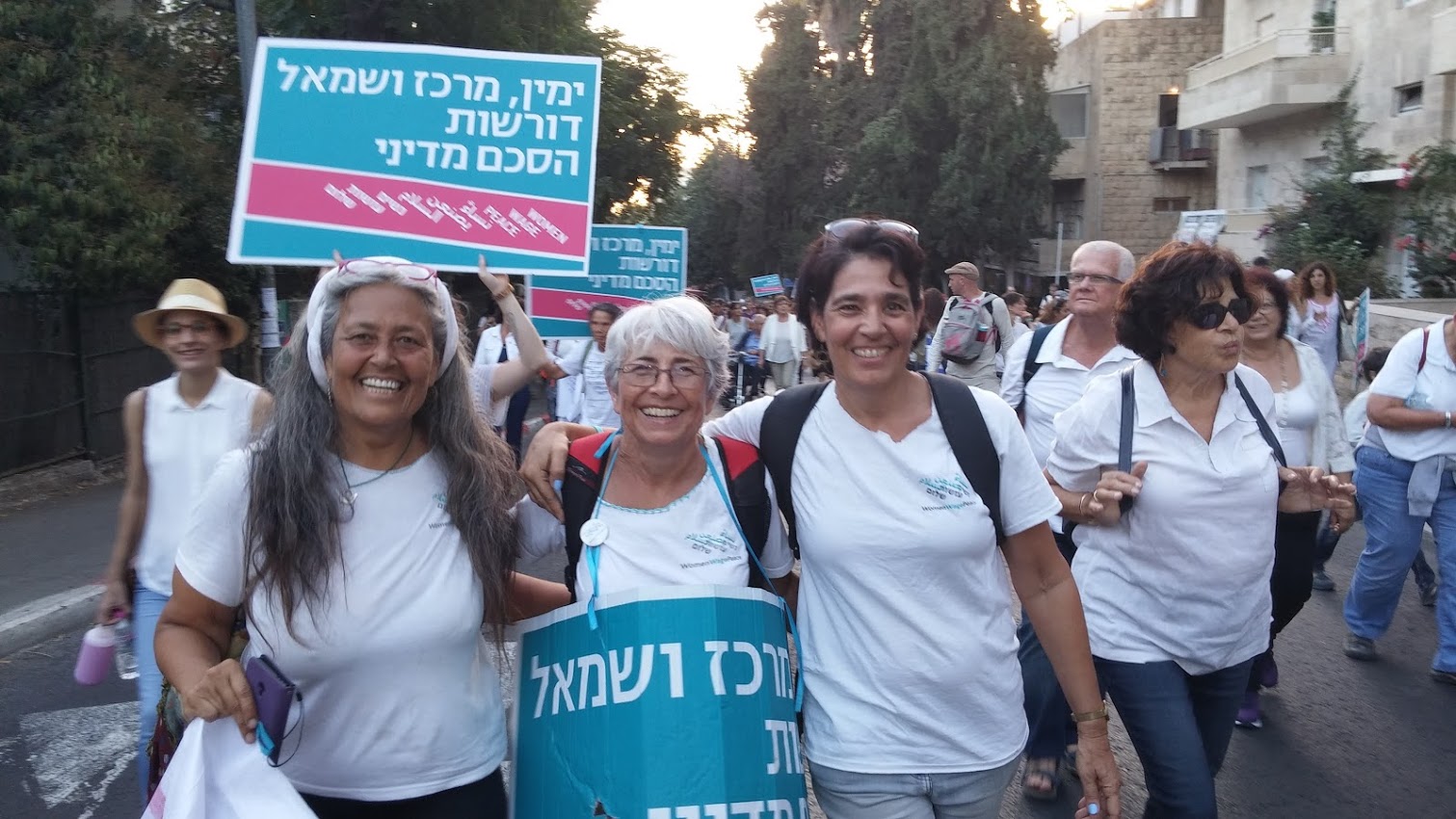
Women Wage Peace includes Jewish and Arab Israeli women who find themselves on all sides of the political and religious spectrum. They don’t advocate for a specific solution but instead for a mutually binding non-violent agreement between Israelis and Palestinians with women at the forefront in all aspects of the negotiation.
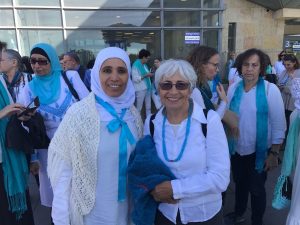
The movement has expanded and now includes 40,000 women located in 95 different areas around Israel. Every Monday, they protest at the Knesset (Israeli government), wearing white and turquoise so government officials can identify them easily. They host peace building webinars, protests, and marches around the country and conduct peace building activities. Women Wage Peace focuses on being in the public eye
“The paradigm that we’ve been living under for all these years is that only war will bring us peace, and that has been proven false time and time again,” Silver said. “We can’t put up with this anymore. We can’t be sacrificing our families for no purpose because there is no purpose to this.”
“I hope that both sides realize that nothing will come out of war, other than continued destruction. And that if our leaders care about their people, then they’re going to have to change the paradigm.”
“We made peace with Jordan, and we made peace with Egypt when Israelis didn’t think it would happen. And the same thing can happen with Palestine. And that’s what I expect, and that’s what I’m working for. That’s what I’m putting my life on the line for.”
The next project for the movement is a cross-border project with Palestinian women in the West Bank and Gaza; they hope this project is the catalyst for change, and encourages both Israeli and Palestinian leaders to come to a summit and reach an agreement.
“We are working top-down and bottom-up. If enough people on the ground are pressing the government, believing that it’s possible, the government will have no choice but to listen to the people,” Silver said.
“But we need the masses on our side, and we need to stop demonizing our enemies; we need to humanize them.”
Read the full article on Forbes